April 5, 2026
The Complete Guide to Bathroom Remodeling in 2026
Everything you need to know before starting your bathroom renovation project.
A bathroom remodel is one of the most impactful home improvement projects you can undertake. Whether you're looking to increase your home's value, improve functionality, or simply update an outdated space, understanding the process is essential for a successful renovation.
Why Remodel Your Bathroom?
Bathrooms endure significant wear and tear over time. After six to ten years, fixtures begin to show their age, tiles may crack or become discolored, and plumbing can develop issues. Beyond aesthetics, an outdated bathroom can be less water-efficient, costing you more on utility bills each month.
Modern bathroom designs focus on both form and function. Today's homeowners want spaces that feel like personal retreats while also being practical for daily use. Features like walk-in showers, floating vanities, and smart storage solutions have become increasingly popular.
Planning Your Renovation
Before picking out tiles and fixtures, take time to assess your current bathroom's layout and identify what works and what doesn't. Consider how many people use the space daily, what storage you need, and whether the existing layout serves your needs or requires changes.
Setting a realistic budget is crucial. Bathroom remodels can range significantly in cost depending on the scope of work. A cosmetic refresh with new paint, fixtures, and accessories will cost far less than a complete gut renovation that moves plumbing and electrical.
Key Elements to Consider
Flooring
Bathroom flooring must withstand moisture, temperature changes, and heavy foot traffic. Porcelain and ceramic tiles remain popular choices due to their durability and water resistance. Luxury vinyl has also emerged as a cost-effective alternative that mimics the look of natural materials.
Vanities and Storage
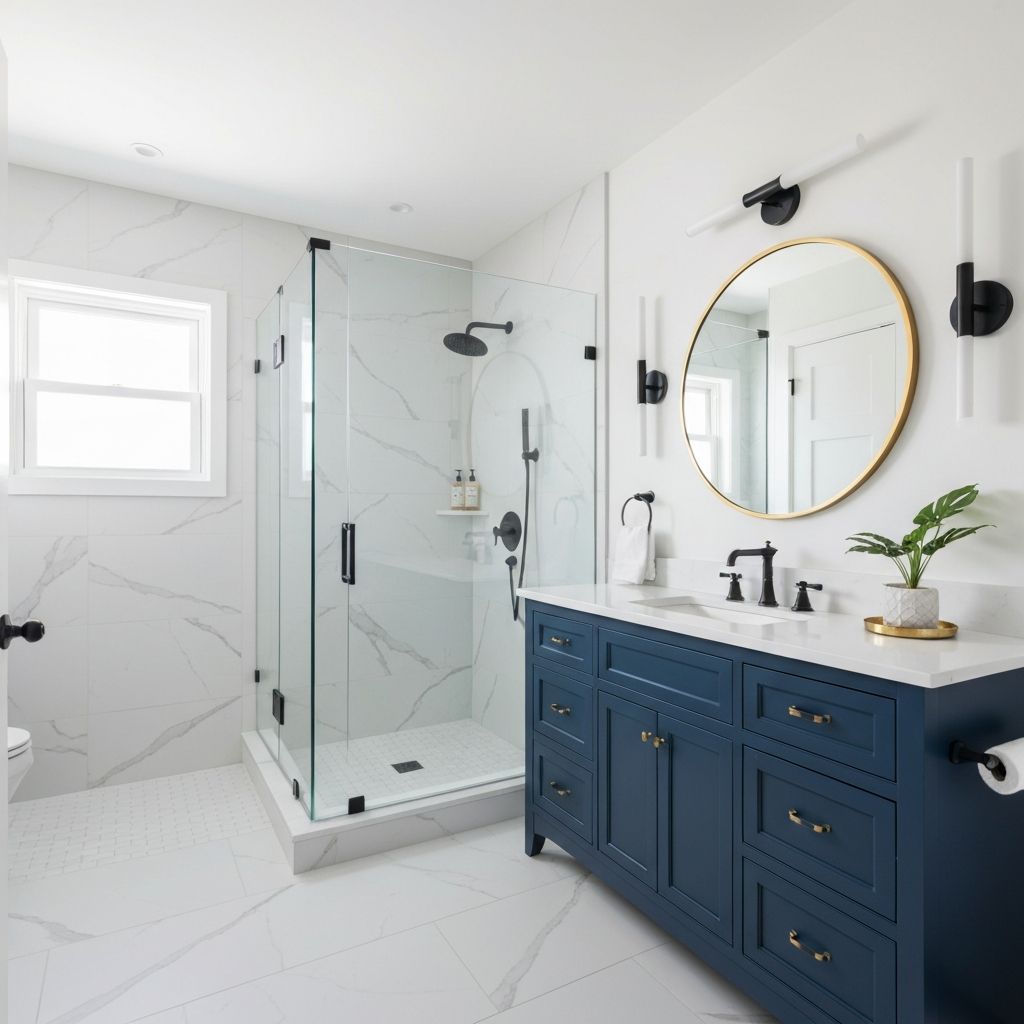
The vanity often serves as the focal point of a bathroom. When selecting one, consider the countertop material, sink style, and storage capacity. Floating vanities create an illusion of more space in smaller bathrooms, while traditional floor-mounted options offer maximum storage.
Lighting
Good lighting transforms a bathroom from functional to exceptional. Layer your lighting with ambient overhead fixtures, task lighting around the mirror, and accent lighting to highlight architectural features. Consider dimmer switches for flexibility throughout the day.
Fixtures and Hardware
Faucets, showerheads, and hardware are the jewelry of your bathroom. Coordinating finishes throughout the space creates a cohesive look. Matte black, brushed gold, and polished nickel are trending finishes that add personality without overwhelming the design.
Working with Professionals
While some homeowners tackle bathroom renovations themselves, working with experienced contractors ensures the job is done correctly and up to code. Plumbing and electrical work, in particular, should be handled by licensed professionals to avoid costly mistakes and safety hazards.
When hiring contractors, get multiple quotes and check references. A reputable contractor will provide a detailed timeline, clear communication throughout the project, and stand behind their work with warranties.
Timeline Expectations
A typical bathroom remodel takes between two to three weeks for a straightforward renovation. More extensive projects involving layout changes or custom work can extend to six weeks or longer. Factor in additional time for ordering materials, especially if you've selected specialty items.
Final Thoughts
A well-executed bathroom remodel enhances your daily routine and adds lasting value to your home. Take time to plan thoroughly, invest in quality materials where it matters most, and work with skilled professionals to bring your vision to life.
Whether you're updating a dated powder room or creating a spa-like master bath retreat, the effort you put into planning will pay dividends for years to come.